JMP: Shared Knowledge As Integrative Organizational Infrastructure
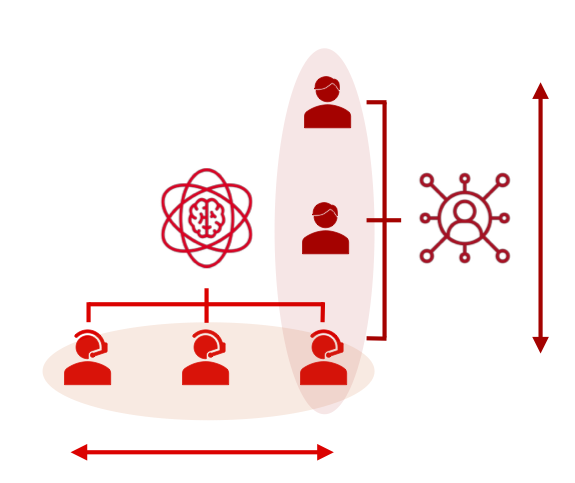
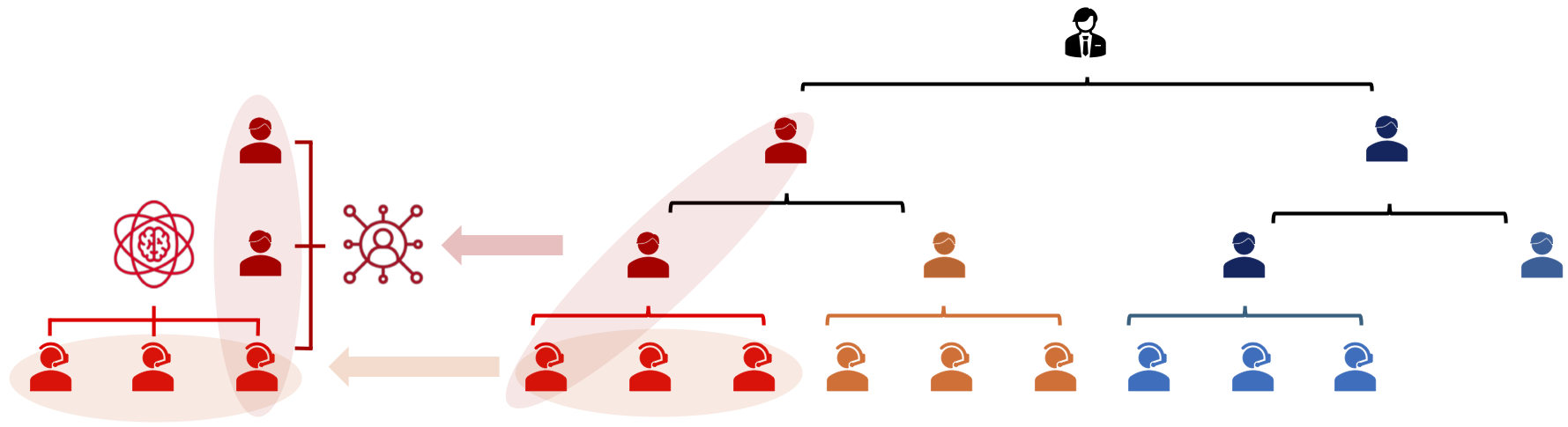
Abstract: Firms that expand the range of specialized knowledge they employ face a fundamental organization-design problem: integrating more differentiated expertise can require greater managerial oversight. We argue that the extent of this tradeoff depends on firms’ knowledge structure–both what knowledge organizational members share and where that shared knowledge resides. We distinguish lateral overlap among peers from vertical overlap between managers and workers and theorize that the two support different forms of integration as knowledge scope expands. Using 350 million U.S. job postings, we recover firms’ skill portfolios across managerial and non-managerial roles and relate their knowledge architecture to managerial intensity, organization-level span of control, and delegation. We find that vertical overlap allows managerial oversight to scale with knowledge integration: as firms broaden their knowledge scope, greater manager–worker overlap is associated with lower managerial intensity and wider spans of control, although not with greater delegation. Lateral overlap operates differently. Overlap general capabilities among peers is associated with modest reductions in managerial intensity and wider spans of control, but increasingly greater delegation as knowledge scope expands. The paper conceptualizes the firm’s knowledge structure as an object of organization design. We argue the same architecture that sources differentiated expertise for production can also embed the capacity to coordinate that expertise.